
Do you often feel tired, bloated, or mentally drained even after a full night’s sleep? Modern life quietly builds up stress and toxins in the body. Ayurveda has a time-tested answer for this: Panchakarma treatment. One of the oldest and most respected branches of Ayurvedic medicine, Panchakarma doesn’t just treat symptoms, it addresses the root cause of imbalance in the body. In this guide, we’ll walk you through what Panchakarma is, how the treatment process works, its health benefits, and how to choose the right therapy for yourself.
Introduction to Panchakarma
The word Panchakarma comes from Sanskrit — “Pancha” means five, and “Karma” means action. So, Panchakarma literally translates to “five actions” or “five therapies.” These five therapies work together systematically to cleanse the body of accumulated cellular toxins, known in Ayurveda as Ama, and restore balance among the three fundamental bio-energies or doshas: Vata, Pitta, and Kapha.
Think of Panchakarma as a deep biological reset for your body and mind. Just like a computer slows down when temporary files pile up and needs a clean-up to run smoothly again, our body slows down when metabolic waste products build up in the deep tissues. Panchakarma therapy clears this build-up and helps the body function the way it was designed to.
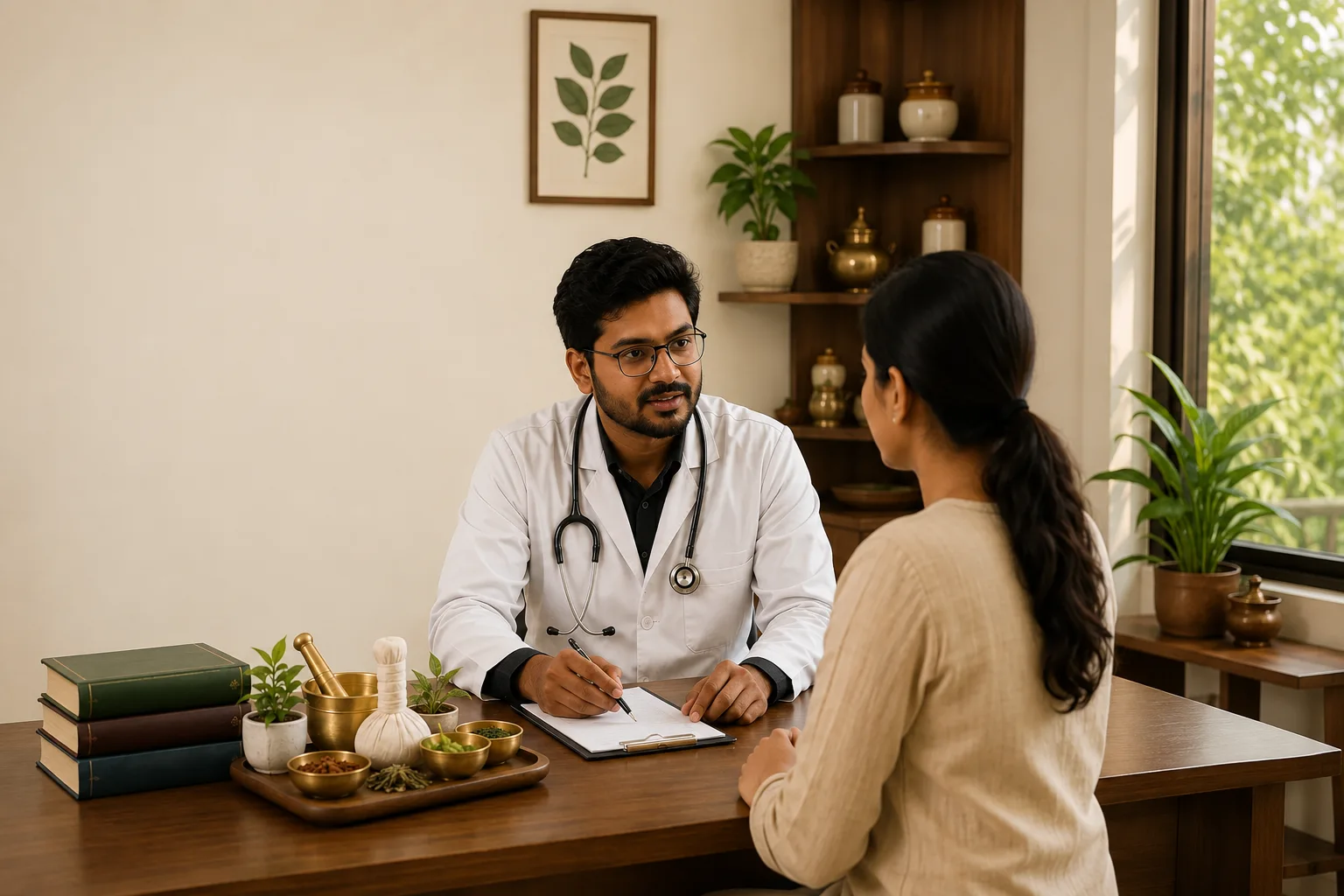
As a holistic Ayurvedic therapy, Ayurvedic Panchakarma is designed to work on the body, mind, and spirit together, rather than isolating one symptom at a time. What makes Panchakarma Ayurvedic treatment different from a generic commercial detox is that it is deeply personalised. An experienced Ayurvedic physician first assesses your Prakriti (natural body constitution) and Vikriti (current clinical imbalances) before formulating a tailored treatment plan. No two individuals receive the exact same therapy, because no two bodies carry the same metabolic profile.
Unlike a crash diet or a weekend juice cleanse, Panchakarma does not just aim to make you feel lighter for a few days. It works at a deep cellular level — rejuvenating the deep tissues (Dhatus), restoring the digestive fire (Agni), and calming the central nervous system — so that the therapeutic benefits are lasting. Rooted in centuries of classical Vedic medical texts, it represents authentic clinical medicine rather than a passing wellness fad.
Another factor that sets Panchakarma apart is its equal focus on the mind. Ayurveda holds that true health is a state of equilibrium between body, sensory organs, mind, and consciousness. While physical therapies eliminate physical toxins, the synchronized herbal treatments calm mental anxiety, reduce autonomic stress, and restore profound mental clarity.
Understanding Dosha Imbalance and Ama
According to Ayurvedic clinical science, every individual’s physiological constitution is governed by three Doshas:
- Vata Dosha: Governs movement, circulation, respiration, and nervous system impulses.
- Pitta Dosha: Governs digestion, enzyme metabolism, thermoregulation, and biochemical transformations.
- Kapha Dosha: Governs physical structure, joint lubrication, mucosal protection, and tissue stability.
When any of the three doshas shift out of balance due to improper diet, stress, seasonal changes, or lifestyle habits, the digestive fire (Agni) weakens. A compromised Agni cannot break down food, emotions, or metabolic byproducts properly, resulting in a sticky, endotoxic residue known as Ama.
Ama circulates through the micro-channels (Srotas), clogging natural pathways and depositing into vulnerable tissues. Over time, this blockage manifests as chronic fatigue, sluggish digestion, stubborn bloating, skin flare-ups, joint stiffness, or disturbed sleep. Panchakarma is specifically engineered to liquefy, mobilize, and eliminate deep-seated Ama, returning Vata, Pitta, and Kapha to their natural equilibrium.
The Panchakarma Treatment Process, Step by Step
Panchakarma is never an abrupt, one-day procedure. It is executed in three mandatory, scientifically sequenced clinical stages:
Stage 1: Purvakarma (Preparation & Mobilization)
Before deep detoxification begins, the body must be prepared so toxins can leave deep tissues safely. Purvakarma includes:
- Snehana (Internal & External Oleation): Administering medicated herbal ghees internally to saturate cells, accompanied by synchronized warm herbal oil massages (Abhyanga) to loosen stubborn toxins.
- Swedana (Herbal Sudation & Steam): Specialized herbal steam therapy that dilates bodily channels (Srotas), liquefying accumulated toxins and directing them into the gastrointestinal tract for safe elimination.
Stage 2: Pradhana Karma (The Five Core Elimination Therapies)
This is the central phase of Panchakarma where the doctor administers one or more of the five primary therapies specifically indicated for your dosha imbalance.
Stage 3: Paschat Karma (Post-Treatment Rejuvenation & Dietetics)
Once elimination is complete, the digestive fire and bodily tissues are sensitive and require gentle rebuilding. Samsarjana Krama (a carefully graduated Ayurvedic dietary regimen) and restorative lifestyle practices ensure the digestive fire recovers robustly and the long-term clinical benefits are fully consolidated.
The Five Classical Panchakarma Therapies Explained
Each of the five therapies targets a specific doshic imbalance and physiological channel:
- Vamana (Therapeutic Emesis): Controlled, medically supervised elimination targeting excess Kapha and toxins lodged in the respiratory tract and upper digestive system. Recommended for chronic congestion, bronchial asthma, metabolic sluggishness, and allergic skin conditions.
- Virechana (Therapeutic Purgation): Administering targeted herbal purgatives to cleanse the liver, gallbladder, and small intestine, clearing excess Pitta. Highly effective for hyperacidity, chronic skin disorders (eczema, psoriasis), chronic liver conditions, and inflammatory heat.
- Basti (Medicated Enema Therapy): Regarded as the “mother of all treatments,” Basti delivers medicated herbal decoctions (Niruha) and customized medicinal oils (Anuvasana) through the colon. It directly balances Vata and is the gold standard for sciatica, arthritis, chronic back pain, neurological disorders, and constipation.
- Nasya (Nasal Administration): Administering therapeutic herbal oils and herbal extracts through the nasal passages following facial massage and mild steam. It cleanses the cranial channels, relieving migraines, chronic sinusitis, cervical spondylosis, premature hair graying, and sleep disturbances.
- Raktamokshana (Blood Purification / Jalaukavacharana): A targeted purification therapy utilizing therapeutic leech application or controlled micro-puncture to purify localized vitiated blood. Used specifically under medical supervision for localized skin lesions, varicose veins, and acute inflammatory dermatological conditions.
Proven Health Benefits of Panchakarma
A supervised course of Panchakarma delivers comprehensive, whole-body benefits:
- Deep Cellular Detoxification: Eliminates persistent Ama from deep connective tissues and vascular channels.
- Restoration of Digestive Agni: Optimizes metabolic absorption, eradicates chronic gas/bloating, and regulates appetite.
- Cellular Rejuvenation (Rasayana): Revitalizes tissues and cellular repair, boosting natural vitality and anti-aging resilience.
- Profound Stress & Nervous System Relief: Down-regulates stress hormones, reduces sympathetic nervous tension, and restores restful sleep.
- Immune Modulation (Ojas Enhancement): Strengthens core physiological resistance against recurring infections.
- Clear Skin & Radiant Vitality: Cleanses blood pathways, producing clearer complexion and healthier hair follicles.
- Joint & Musculoskeletal Mobility: Lubricates joints, alleviates stiffness, and reduces chronic inflammation in back and spine.
Choosing the Right Panchakarma Centre
Not every wellness spa follows authentic medical Ayurvedic protocols. When selecting a clinical Panchakarma center, ensure:
- Qualified Ayurvedic Physicians: The center is led by certified, experienced Ayurvedic doctors (BAMS / MD Ayurveda).
- Personalized Diagnostic Consultation: Avoid standard pre-packaged programs; your protocol must be custom-tailored after thorough Nadi Pariksha (Pulse Examination) and Prakriti evaluation.
- Authentic Classical Formulations: Herbs, classical oils, and medicated ghees must be purely sourced according to traditional Ayurvedic pharmacopoeia.
- Clean, Clinical, Hygienic Environment: Therapy rooms must adhere to strict hygiene and patient safety standards.
Who Should Consider Panchakarma?
Panchakarma is suitable both as a preventive seasonal rejuvenation and as a clinical treatment for chronic conditions. Consider Panchakarma if you experience:
- Chronic unexplained fatigue or low daytime energy
- Persistent digestive distress, hyperacidity, or irregular bowel habits
- Chronic stress, anxiety, or unrefreshing sleep
- Joint stiffness, lumbar back pain, or cervical discomfort
- Recurring skin allergies, acne, or inflammatory flare-ups
- A feeling of sluggishness despite normal lab reports
Note: Panchakarma should always be performed under professional medical supervision. It is contraindicated during active pregnancy, acute fever, or immediate recovery from acute trauma.
Final Thoughts
Panchakarma is far more than a temporary detox; it is a profound, time-tested medical science that realigns your mind and body with nature’s equilibrium. By eliminating metabolic waste, restoring digestive Agni, and harmonizing your Doshas, authentic Panchakarma restores the body’s innate capacity for self-healing.
If you are ready to reset your vitality, consult an experienced Ayurvedic physician at Sushrut Ayurveda Clinic to begin your personalized healing journey.
Experience Authentic Nadi Pariksha
Consult directly with Dr. Jaimin Prajapati for customized Panchakarma protocols tailored precisely to your dosha constitution.
Frequently Asked Questions
01. Is Panchakarma treatment painful?
Is Panchakarma treatment painful?
02. How long does a Panchakarma treatment take?
How long does a Panchakarma treatment take?
03. Do I need to follow a special diet during Panchakarma?
Do I need to follow a special diet during Panchakarma?
04. Can anyone undergo Panchakarma therapy?
Can anyone undergo Panchakarma therapy?
05. How soon can I expect results?
How soon can I expect results?
Dr. Jaimin Prajapati
Agnikarma & Panchakarma Specialist • BAMS
Sushrut Ayurveda Clinic & Panchkarma Center, Mehsana, Gujarat