
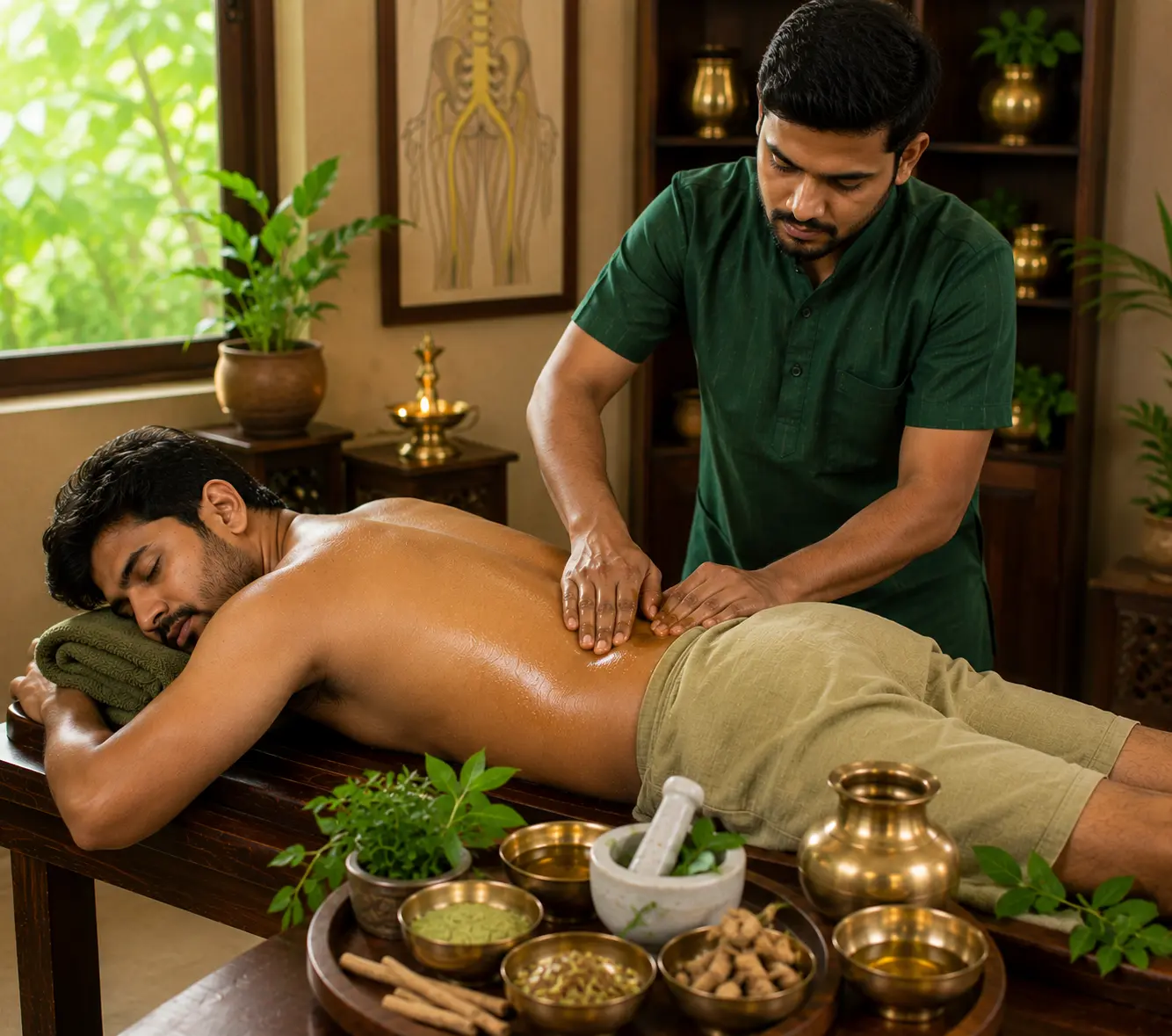
Sciatica refers to pain or other symptoms when the sciatic nerve is irritated or compressed. At Sushrut Ayurveda, treatment for Gridhrasi begins with understanding the underlying cause and individual presentation, combining personalized medicines, targeted therapies (Agnikarma, Viddhakarma, Kati Basti), and lifestyle guidance.
Sciatica can present differently from person to person. Common symptoms may include:
The location, intensity, duration, and pattern of symptoms are considered during clinical assessment.
Sciatica-like symptoms can have different underlying causes. Common contributing factors may include:
A clinical assessment is important because pain radiating from the lower back or buttock into the leg can have different causes. Assessment helps differentiate sciatica from other conditions that may cause low-back and leg pain.
From an Ayurvedic perspective, sciatica-like symptoms are commonly correlated with Gridhrasi, with Vata Dosha playing a predominant role. Vata-Kapha involvement may also be considered in some presentations.
Ayurvedic assessment may consider:
Treatment is then selected according to the individual’s presentation rather than following one standard protocol.
There is no single Ayurvedic treatment that is appropriate for every case of sciatica. Depending on the individual’s condition, treatment may include personalized Ayurvedic medicines, targeted therapies, Panchakarma procedures, and diet, lifestyle, and rehabilitation guidance.
The treatment plan may also differ depending on whether symptoms are recent, recurring, or long-standing.
After assessing the patient’s symptoms and Ayurvedic presentation, individualized Ayurvedic medicines may be prescribed.
Medicines are selected according to factors such as:
The formulation, dosage, and duration of treatment are determined according to the individual’s condition and response to care.
Depending on the patient’s condition, suitable therapies may be selected to support the management of pain, stiffness, muscular tension, and functional limitation.
Agnikarma is a specialized Ayurvedic procedure in which controlled therapeutic heat is applied to selected points. It may be considered as a targeted therapy for localized musculoskeletal pain when appropriate.
Viddhakarma involves controlled stimulation of selected points using a sterile needle or specialized technique according to Ayurvedic principles. It may be considered as a targeted approach for localized pain and muscular tension in appropriate patients.
Therapeutic oil massage followed by appropriate fomentation may be used to support relief from stiffness, muscular tension, and discomfort and to support mobility.
Kati Basti involves retaining warm medicated oil over the lower back using a specially formed boundary. It may be used as a supportive therapy in selected cases of lower-back pain and stiffness.
Medicated Basti is an important Ayurvedic therapy traditionally associated with Vata-dominant musculoskeletal conditions. An appropriate Basti protocol may be considered depending on the patient’s clinical presentation and Ayurvedic assessment.
The combination, sequence, frequency, and duration of therapies are individualized. Not every patient requires every therapy.
Long-term management involves addressing lifestyle and physical factors that may repeatedly aggravate symptoms.
Depending on the individual’s condition, recommendations may include:
Lifestyle recommendations are adapted to the individual’s symptoms, activity level, and treatment goals.
The treatment approach can generally be understood as:
Identify the Cause → Ayurvedic Assessment → Personalized Medicines → Targeted Therapies → Panchakarma When Indicated → Diet, Lifestyle & Rehabilitation
The nature, location, severity, duration, and pattern of symptoms are assessed along with possible contributing factors.
The assessment may consider Prakriti, possible Dosha involvement, stiffness, associated symptoms, lifestyle, digestion, and overall health.
Suitable Ayurvedic medicines may be prescribed according to the individual’s presentation and treatment needs.
Therapies such as Agnikarma, Viddhakarma, Abhyanga & Swedana, or Kati Basti may be considered when appropriate.
Where clinically and Ayurvedically appropriate, procedures such as Basti may be incorporated into the treatment plan.
Diet, lifestyle, posture, movement, stretching, strengthening, and rehabilitation guidance may be included to support mobility and reduce factors that may contribute to recurring symptoms.
Sciatica is not approached as a single condition with one fixed treatment. The patient’s symptoms, presentation, lifestyle, and Ayurvedic factors are considered before treatment is selected.
Medicines and therapies are selected according to the individual’s condition rather than applying the same combination to every patient.
Where appropriate, therapies such as Agnikarma, Viddhakarma, Abhyanga & Swedana, and Kati Basti may be incorporated according to the patient’s needs.
Basti and other appropriate Panchakarma approaches may be considered when indicated as part of an individualized Ayurvedic treatment plan.
The approach aims to support pain management, mobility, functional comfort, and the lifestyle factors that may contribute to recurring symptoms.
Consider seeking professional assessment if you experience:
Some symptoms require prompt medical evaluation. Severe or rapidly worsening weakness, significant numbness, or loss of bladder or bowel control requires urgent medical attention.
Identify the Cause → Ayurvedic Assessment → Personalized Medicines → Targeted Pain-Relief Therapies → Panchakarma When Indicated → Diet, Lifestyle & Rehabilitation
At Sushrut Ayurveda, treatment is individualized according to the patient’s symptoms, Ayurvedic assessment, overall health, and treatment requirements.
The aim is to support pain management and mobility while addressing relevant contributing factors and helping reduce the factors that may contribute to recurring symptoms.
Ayurvedic treatment for sciatica focuses on understanding the individual's symptoms, lifestyle, posture, and possible Vata imbalance. Ayurveda may use warm medicated oil therapies, massage, herbal support, selected Panchakarma therapies, and lifestyle guidance to support pain relief and comfortable movement. The treatment plan is personalized according to the cause and severity of sciatica.
Explore complementary Ayurvedic treatment pathways tailored to root-cause healing and constitutional balance.
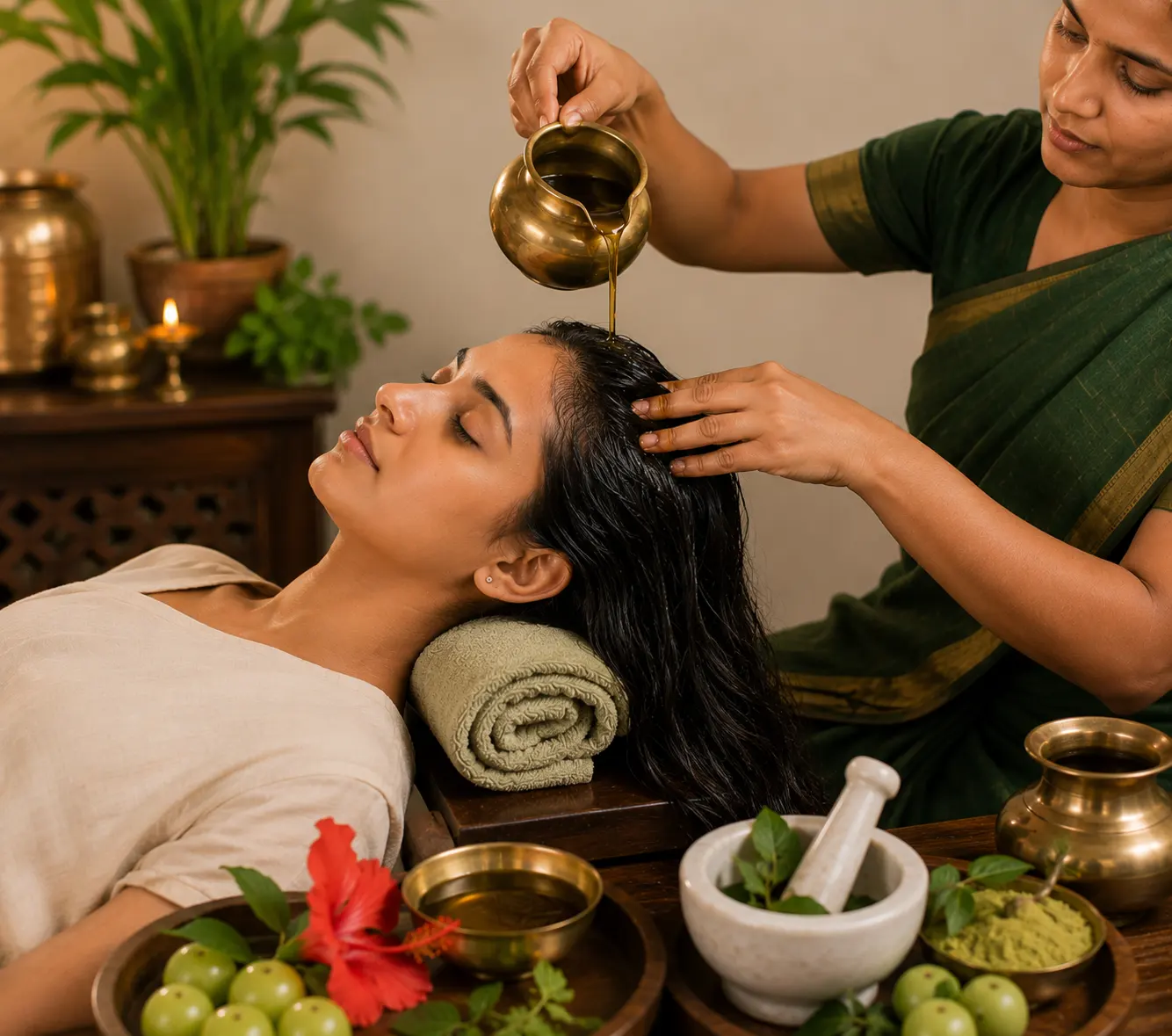
At Sushrut Ayurveda, Ayurvedic treatment for hair fall is planned according to the individual's condition rather than following a fixed treatment for everyone. Your hair fall pattern, scalp condition, diet, lifestyle, overall health, and Prakriti are considered to support healthy hair and scalp.
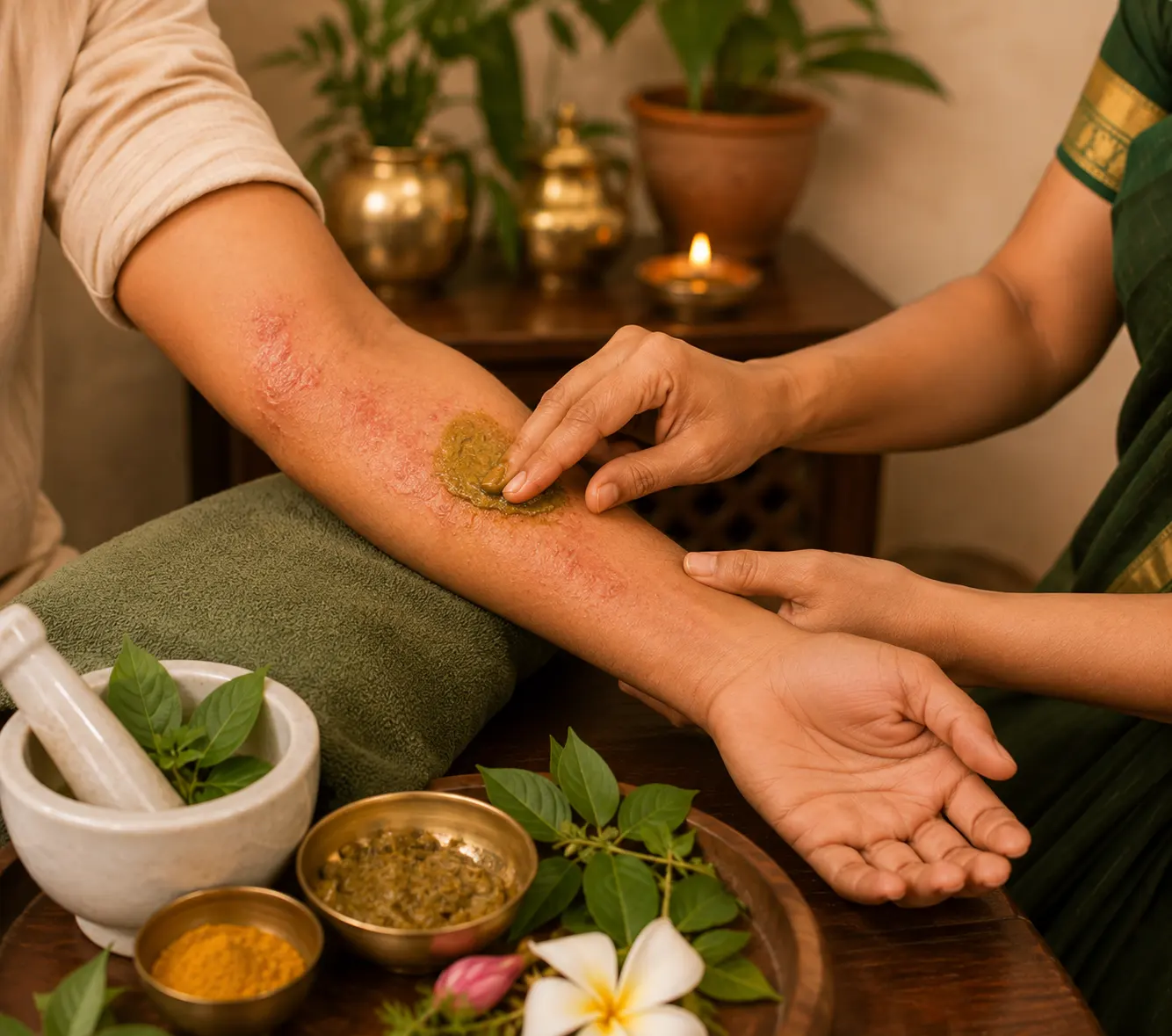
At Sushrut Ayurveda, our Ayurvedic treatment for eczema is planned according to your skin condition, symptoms, lifestyle, and individual needs. Ayurveda looks beyond visible redness and itching to understand possible triggers, dosha imbalance, diet, digestion, and daily habits. The aim is to support healthier skin, manage flare-ups, and improve overall skin wellness through personalized Ayurvedic treatments.
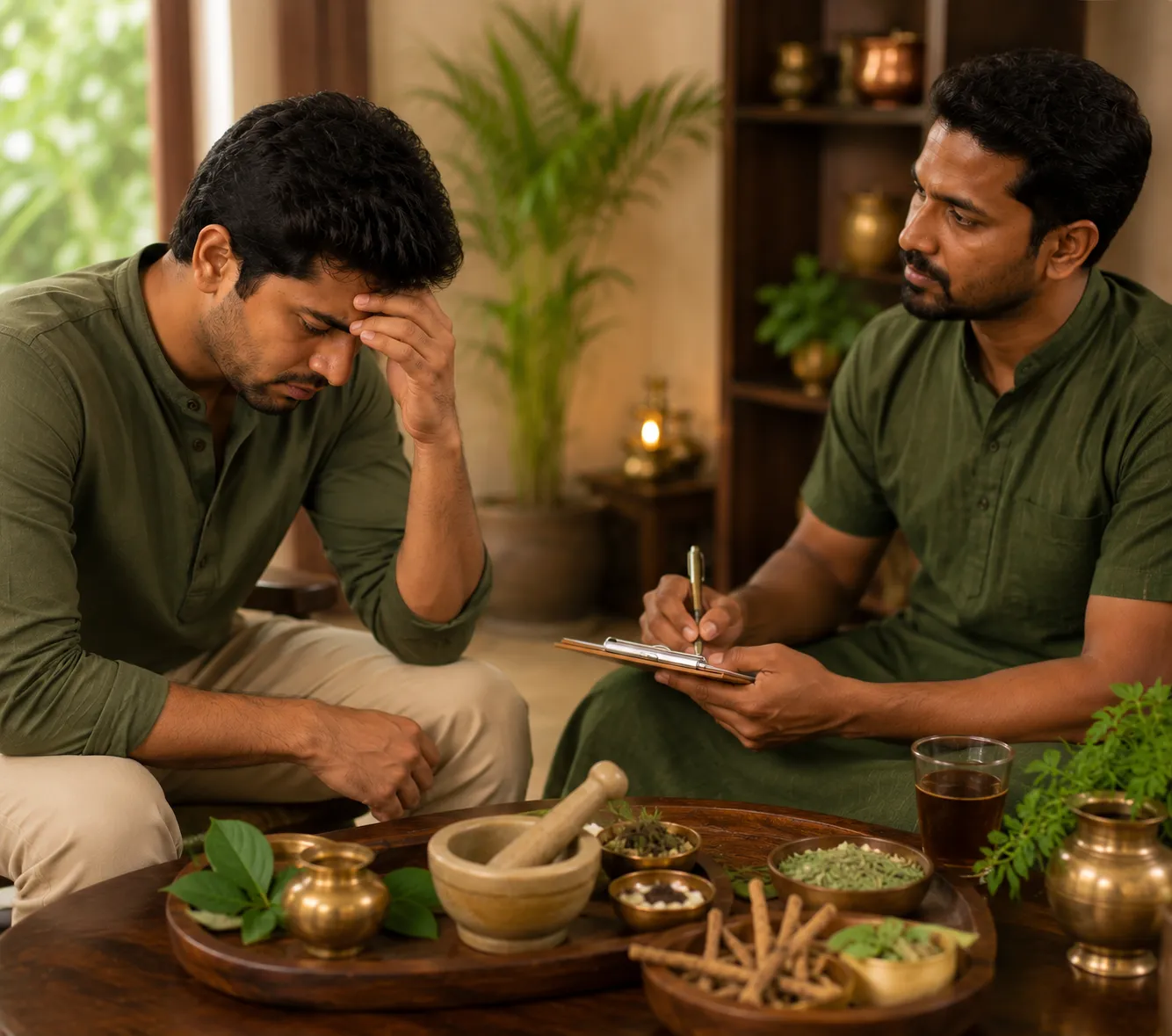
At Sushrut Ayurveda, our male sex problems ayurvedic treatment focuses on understanding the individual rather than treating every concern in the same way. Stress, lifestyle, health conditions, habits, and emotional factors can affect male sexual health and performance. Our Ayurvedic approach aims to support healthy sexual function, energy, confidence, and overall well-being through personalized treatment, lifestyle guidance, and appropriate Ayurvedic care.
Real reviews and clinical recovery experiences shared by patients treated at Sushrut Ayurveda Clinic & Panchkarma Center in Mehsana.
"This is the place where you get a perfect and permanent solution for any chronic health problem. The clinical care and authentic herbal medicines are exceptional."
Permanent Health Solution
"Sushrut Ayurveda Clinic is exceptional! I had an incredible experience here. The staff is professional, the clinic is pristine and hygienic, and the doctor provides thorough care."
Professional Clinic Experience
"Best Ayurvedic Treatment in Mehsana for Agnikarma and chronic joint disorders. Dr. Jaimin provides thorough diagnosis and root-cause solutions."
Agnikarma Treatment for Joint Pain
"I am getting treatment here for back pain and I started getting relief on the next day with the Ayurvedic medicine and Agnikarma treatment. I have no pain now even after long working hours."
Severe Back Pain Relief
"Had a consultation regarding my heel pain and I’m thankful to Dr. Jaimin for such a good treatment. I’m totally alright now. Having no pain in my heels. Agnikarma therapy helped me a lot."
Heel Pain & Calcaneal Spur
"Sushrut Ayurveda and Panchakarma Clinic provides very accurate diagnosis. I congratulate Dr. Jaimin Saheb for treating my years-old digestive and thyroid problems with a very effective, immediate and complete diagnosis. I am very grateful."
Digestive & Thyroid Recovery
"This is the best and most affordable place for any Ayurvedic treatment. Dr. Jaimin is the doctor who gives his 100% to his patients, is never in a rush, and looks into every possible small detail. Very smart in his field. I have visited more than 10 doctors before finding complete relief here."
Personalized Ayurvedic Care
"I was suffering from severe anxiety, overthinking and insomnia for many months. I could not sleep properly without medicines and my mind was always restless. I consulted Dr. Jaimin at Sushrut Ayurveda Clinic in Mehsana. He suggested Viddhakarma and Ayurvedic treatment which helped me regain natural sleep."
Severe Anxiety & Insomnia
Ayurveda recognizes that each person's constitution, health concerns, lifestyle, and response to treatment can be different. At Sushrut, we use this individualized perspective to understand your needs and develop a care approach based on your condition, Ayurvedic principles, and treatment goals.
We consider your health concerns, constitution, lifestyle, daily habits, and other relevant factors to build a more individualized understanding of your needs.
We explain the recommended Ayurvedic approach, therapies, lifestyle considerations, and care plan so you can understand your treatment and actively participate in your wellness journey.
Herbal medicines and traditional Ayurvedic therapies are selected according to individual needs and used with appropriate practitioner guidance.
We focus on realistic expectations, clear communication, and individualized care rather than promising instant or guaranteed results.
We provide a clean, organized, and supportive setting designed to help patients feel comfortable throughout their consultation and treatment experience.
Common questions about consultation methodology, preparation, herbal remedies, and what to expect during your clinical session.
Schedule a personal constitutional consultation or supervised Panchkarma assessment at our Mehsana healthcare clinic.